16 Apr
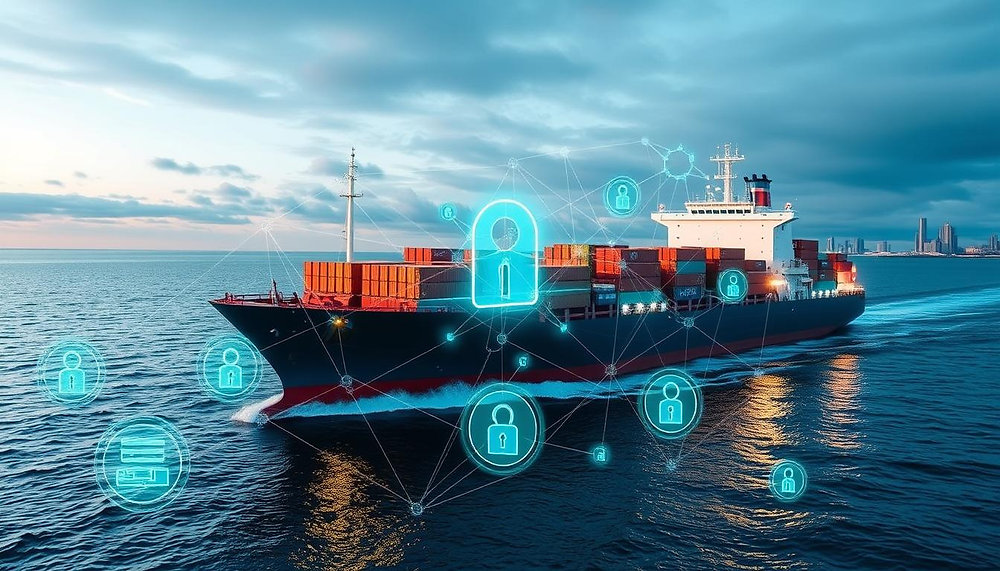
Maritime shipping remains the foundation of global trade, transporting more than 80% of internationally traded goods worldwide. Every day, millions of containers move across oceans carrying everything from consumer electronics and industrial equipment to pharmaceuticals and agricultural products. Despite its critical role in the global economy, one of the industry’s most important documents—the bill of lading—has remained largely dependent on paper for centuries.
The bill of lading serves as a legal document, a receipt for shipped goods, and proof of ownership during transportation. Without it, international trade simply cannot function. However, traditional paper-based bills of lading continue to create significant challenges for shipping companies, freight forwarders, financial institutions, customs authorities, and importers around the world.
Paper documents are vulnerable to delays, fraud, loss, and administrative inefficiencies that can cost businesses both time and money. In an industry where cargo often arrives at its destination before the necessary documentation, digital transformation is no longer optional—it is essential.
Blockchain technology is introducing a revolutionary alternative: the digital bill of lading. By moving one of maritime shipping’s most important documents onto decentralized and secure digital infrastructure, the industry is entering a new era of transparency, automation, and operational efficiency.
The future of maritime logistics is paperless, borderless, and increasingly powered by blockchain.
Understanding the Bill of Lading
The bill of lading is one of the oldest and most important documents in international trade.
It serves three primary functions:
- A receipt confirming that goods have been received by the carrier.
- Evidence of the transportation agreement between parties.
- A document of title representing ownership of the cargo.
Multiple stakeholders rely upon this document throughout the shipping process, including:
- Exporters
- Importers
- Shipping companies
- Freight forwarders
- Customs authorities
- Insurance providers
- Financial institutions
Its accuracy and timely delivery are essential for efficient global commerce.
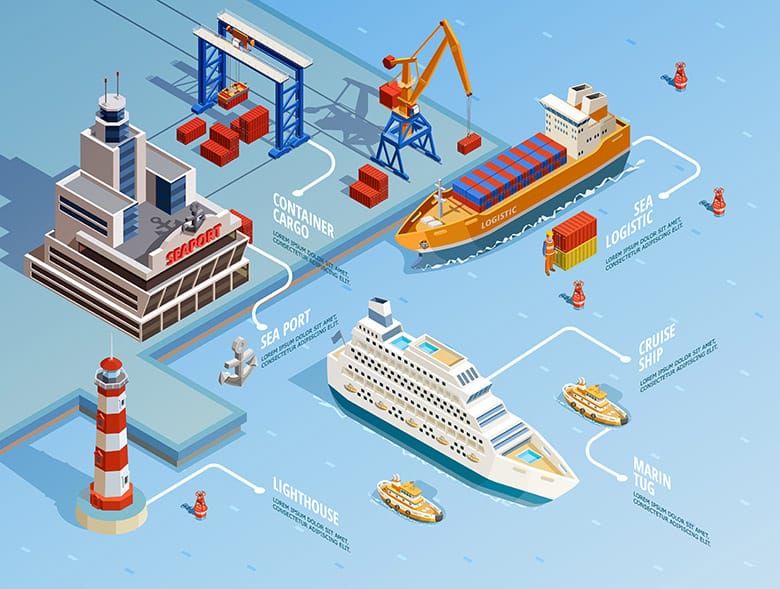
The Problems with Paper-Based Documentation
Despite advances in supply chain technologies, maritime shipping still relies heavily on physical paperwork.
Traditional bills of lading present numerous challenges:
- Document loss during transit
- Administrative delays
- Manual processing requirements
- High courier costs
- Fraud risks
- Limited visibility across supply chains
A single international shipment may require multiple copies of the same document to be exchanged among various organizations located in different countries.
In some cases, cargo arrives at port before the original bill of lading reaches the consignee, resulting in:
- Shipment delays
- Additional storage fees
- Operational disruptions
- Increased financial risks
Paper documentation is increasingly incompatible with the speed of modern global trade.
Why Maritime Shipping Needs Digital Transformation
Global supply chains are becoming more complex and interconnected.
Businesses now expect:
- Real-time shipment visibility
- Faster customs clearance
- Automated workflows
- Improved regulatory compliance
- Reduced operational costs
Traditional paper-based processes cannot easily meet these expectations.
Digital transformation offers several advantages, including:
- Improved efficiency
- Enhanced security
- Greater transparency
- Faster document processing
- Better collaboration between stakeholders
Blockchain provides the infrastructure necessary to achieve these objectives while maintaining legal and operational integrity.
What Is a Digital Bill of Lading?
A digital bill of lading is an electronic version of the traditional maritime shipping document that is securely recorded and managed through digital infrastructure.
When supported by blockchain technology, digital bills of lading offer:
- Immutable records
- Secure ownership transfers
- Real-time accessibility
- Transparent audit trails
- Enhanced fraud protection
Unlike paper documents, blockchain-based records cannot be easily altered or duplicated.
Every authorized participant can securely verify document authenticity throughout the shipment lifecycle.
How Blockchain Improves Maritime Documentation
Blockchain introduces several important capabilities that significantly improve maritime logistics.
Immutability
Once information has been recorded, it cannot be altered without proper authorization.
Transparency
Authorized stakeholders gain real-time visibility into document status and shipment information.
Security
Cryptographic protection dramatically reduces the risk of fraud and unauthorized modifications.
Automation
Smart contracts can automate document transfers, approvals, and payment processes.
These capabilities create a more efficient and trustworthy environment for international trade.
Faster Ownership Transfers
Traditional bills of lading frequently require physical delivery before cargo ownership can legally change hands.
This process may take:
- Several days
- International courier services
- Multiple administrative approvals
Blockchain-enabled digital bills of lading allow ownership transfers to occur almost instantly once contractual conditions have been satisfied.
Benefits include:
- Faster cargo release
- Reduced shipping delays
- Improved cash flow
- Lower administrative costs
Speed is particularly valuable in industries that depend upon time-sensitive shipments.
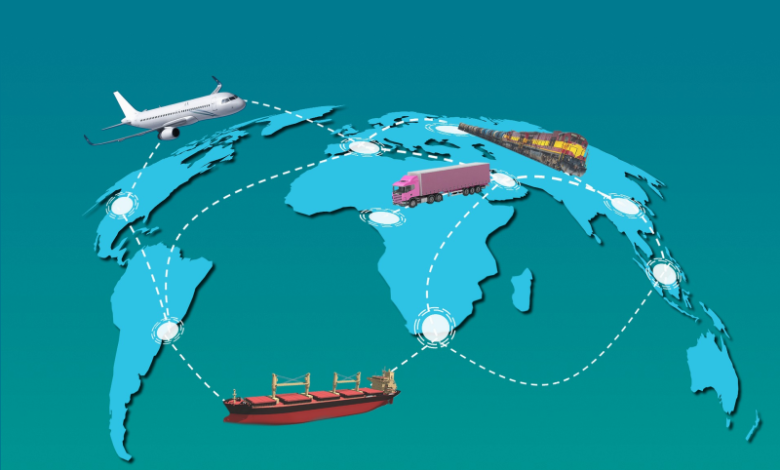
Enhanced Fraud Prevention
Document fraud remains a significant concern within global shipping operations.
Examples include:
- Forged documentation
- Duplicate bills of lading
- Unauthorized ownership claims
- Shipment manipulation
Blockchain significantly strengthens document security by creating immutable and traceable records.
Every modification and transfer is permanently recorded, making fraudulent activity considerably more difficult.
Businesses benefit from:
- Increased trust
- Improved compliance
- Reduced financial risks
Secure documentation is becoming a critical component of modern supply chain resilience.
Improved Customs Processing
Customs authorities rely heavily on shipping documentation to verify cargo and ensure regulatory compliance.
Digital bills of lading can streamline customs operations by providing:
- Instant document access
- Verified shipment records
- Automated compliance checks
- Improved transparency
This contributes to:
- Faster customs clearance
- Reduced administrative burdens
- Improved shipment predictability
International trade becomes significantly more efficient when documentation is immediately available to authorized stakeholders.
Smart Contracts and Automated Shipping Processes
Blockchain-based digital bills of lading can be integrated with smart contracts that automate key shipping processes.
Examples include:
Cargo Delivery
- Delivery confirmed.
- Ownership transferred automatically.
Customs Clearance
- Customs approval recorded.
- Next supply chain milestone activated.
Payment Settlement
- Shipment obligations fulfilled.
- Payment released automatically.
Compliance Verification
- Documentation validated.
- Regulatory procedures completed.
Automation reduces delays while improving overall supply chain performance.
Lower Operational Costs
Paper documentation generates considerable expenses throughout maritime supply chains.
These costs include:
- Printing
- Courier services
- Manual processing
- Storage
- Compliance management
- Administrative labor
Digital documentation significantly reduces these expenses while improving operational efficiency.
Blockchain-powered systems can streamline workflows across multiple organizations simultaneously.
For large shipping networks, even modest improvements in document processing times can generate substantial financial benefits.
Sustainability Benefits
The maritime industry is increasingly focused on sustainability and environmental responsibility.
Digital documentation contributes to ESG objectives by reducing:
- Paper consumption
- Physical document transportation
- Administrative waste
- Resource-intensive manual processes
Paperless trade initiatives are becoming an important component of broader digital transformation strategies within international logistics.
Blockchain supports both operational and environmental goals simultaneously.
Industry Adoption Is Growing
The maritime industry has begun actively exploring blockchain-enabled solutions for document digitization.
Growing interest is being driven by:
- Global supply chain disruptions
- Increasing regulatory complexity
- Rising operational costs
- Customer demand for transparency
- Digital trade initiatives
Shipping companies, financial institutions, and logistics providers are increasingly recognizing that paper-based systems are no longer sufficient for modern global commerce.
Digital bills of lading represent one of the most practical applications of blockchain technology within supply chain management.
Challenges to Adoption
Despite significant progress, several challenges remain.
Industry participants must address:
- Legal recognition across jurisdictions
- International regulatory alignment
- Technology standardization
- Infrastructure integration
- Cybersecurity considerations
- Organizational change management
Because maritime trade operates globally, successful implementation requires broad collaboration among governments, regulators, and private sector stakeholders.
The transition to digital trade is as much a regulatory challenge as it is a technological one.
The Future of Maritime Trade
The next generation of maritime logistics is likely to feature:
- Fully digitized documentation
- Blockchain-enabled ownership transfers
- Automated customs procedures
- Smart contract settlements
- Real-time supply chain visibility
- Seamless international collaboration
Digital bills of lading represent a foundational component of this transformation.
Future shipping ecosystems will increasingly operate through interconnected digital networks where documents, payments, and compliance procedures are executed automatically and securely.
Global trade is steadily moving toward a paperless future.
Conclusion
The digital bill of lading is far more than a technological upgrade—it represents a fundamental transformation of how maritime shipping operates. By replacing centuries-old paper processes with secure and decentralized digital infrastructure, blockchain is enabling faster, safer, and more efficient global trade.
From reducing fraud and accelerating ownership transfers to improving customs processing and lowering operational costs, digital bills of lading offer significant advantages for businesses across the entire maritime ecosystem.
As blockchain adoption continues to expand, paper documents are gradually giving way to intelligent, automated, and transparent logistics networks.
The maritime industry helped build the modern global economy. Now, through digital transformation, it is helping shape the future of international commerce—one blockchain-powered shipment at a time.