26 Jun
Food safety has become one of the most critical challenges of the global supply chain. Every day, billions of consumers trust that the products they purchase are fresh, properly handled, and safe to consume. Yet food contamination incidents continue to affect millions of people worldwide, leading to costly recalls, reputational damage, and serious public health risks.
The modern food industry is more interconnected than ever before. A single product may travel through farms, processing facilities, distributors, warehouses, customs checkpoints, and retail stores before reaching consumers. While this global network improves efficiency and accessibility, it also creates significant challenges when contamination occurs.
One of the biggest problems facing food manufacturers and regulators is traceability. Traditional supply chain systems often require days or even weeks to determine the source of contamination. During that time, businesses may be forced to recall entire product lines, while consumers remain exposed to potentially unsafe goods.
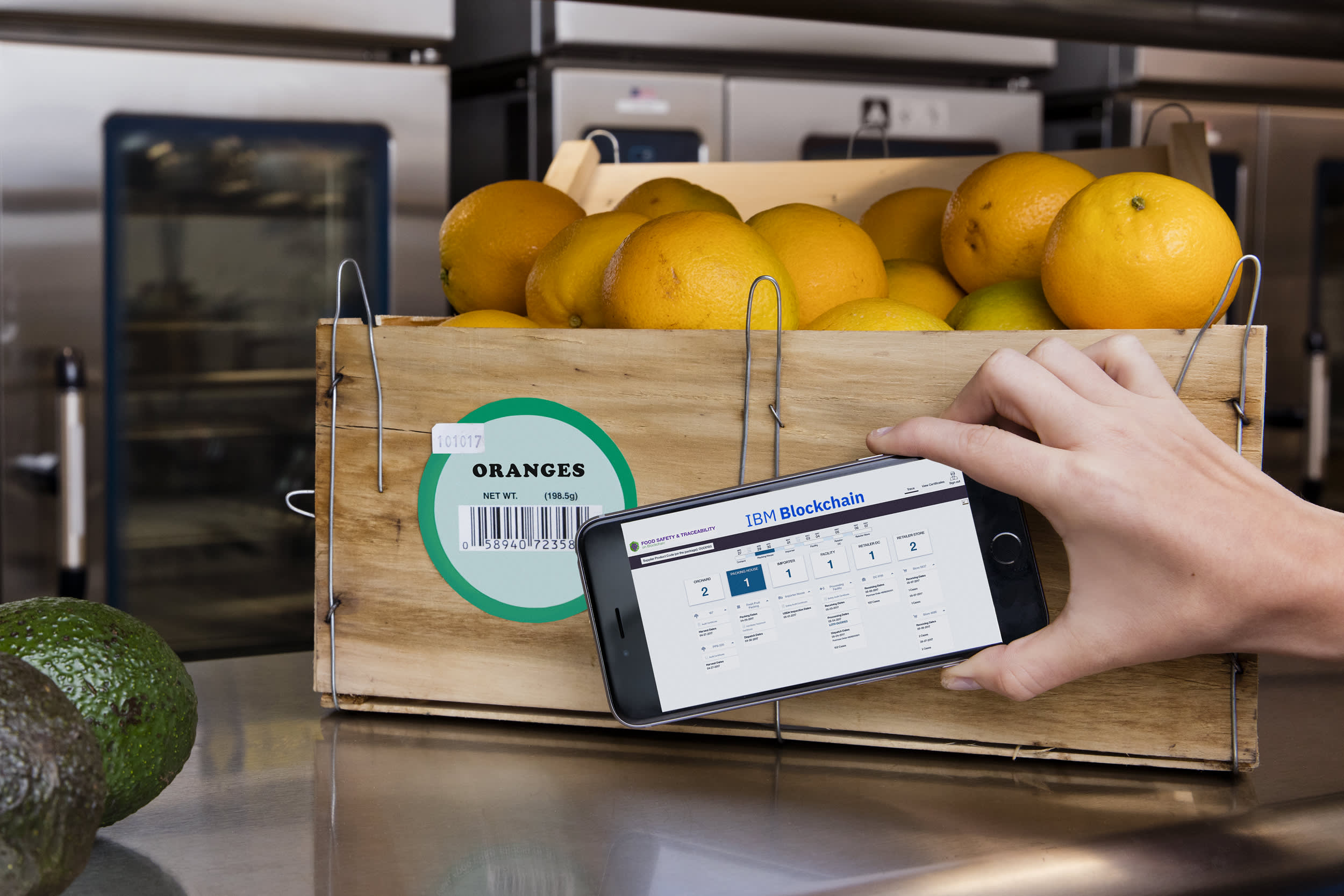
Blockchain technology is changing that reality. By creating transparent and immutable records throughout the food supply chain, blockchain enables companies to identify contaminated products in seconds rather than weeks. This transformation is not simply improving operational efficiency—it is helping save lives.
The Hidden Complexity of Modern Food Supply Chains
A simple package of salad greens or a bottle of olive oil may involve numerous participants before arriving on store shelves.
Typical food supply chains include:
- Farmers
- Processing facilities
- Packaging companies
- Transportation providers
- Customs authorities
- Warehouses
- Retailers
- Regulatory agencies
Each participant generates valuable information regarding:
- Product origin
- Processing dates
- Transportation conditions
- Storage temperatures
- Batch numbers
- Quality inspections
Unfortunately, much of this data remains fragmented across separate databases and paper-based documentation.
When contamination is discovered, reconstructing the complete history of a product can become an enormous logistical challenge.
The Cost of Foodborne Outbreaks
Food contamination incidents have consequences that extend far beyond financial losses.
They may result in:
- Serious illnesses
- Hospitalizations
- Product recalls
- Supply chain disruptions
- Loss of consumer confidence
- Regulatory investigations
For food manufacturers, a single contamination event can damage years of brand-building efforts.
Traditional recall procedures often involve:
- Extensive investigations
- Large-scale product withdrawals
- Significant waste
- High operational costs
In many cases, businesses simply lack the necessary visibility to determine precisely which products have been affected.
Why Traditional Food Traceability Falls Short
Conventional supply chain management systems frequently suffer from several limitations:
- Disconnected databases
- Manual recordkeeping
- Delayed reporting
- Human error
- Limited interoperability between stakeholders
When contamination occurs, investigators must often contact multiple organizations individually to collect relevant information.
This process can take:
- Several days
- Multiple weeks
- Hundreds of labor hours
Meanwhile, contaminated products may continue circulating within the supply chain.
Speed is essential during food safety incidents, and traditional systems are simply too slow.
Blockchain Creates a Single Source of Truth
Blockchain technology provides a decentralized and immutable ledger that records every event throughout a product’s journey.
Information may include:
- Harvest dates
- Processing records
- Packaging details
- Transportation logs
- Temperature monitoring data
- Delivery confirmations
Every supply chain participant contributes verified information to a shared digital infrastructure.
This creates:
- Greater transparency
- Improved accountability
- Faster investigations
- More accurate recalls
Rather than searching through multiple disconnected systems, businesses can access a complete product history almost instantly.
From Farm to Fork
Blockchain enables food products to carry their entire digital history throughout the supply chain.
Consider a package of fresh strawberries.
Its blockchain record may include:
Farm Information
- Country of origin
- Harvest location
- Harvest date
- Agricultural certifications
Processing Information
- Cleaning procedures
- Packaging facilities
- Quality inspections
- Batch identification numbers
Transportation Data
- Shipment timelines
- Storage temperatures
- Customs clearance records
- Distribution routes
Retail Information
- Warehouse arrivals
- Delivery schedules
- Store inventory records
Every stage contributes to an immutable digital timeline that improves traceability and consumer confidence.
Identifying Contamination in Seconds
Perhaps the most impressive advantage of blockchain-powered food traceability is the speed of contamination investigations.
Traditional systems may require:
- Days of analysis
- Multiple stakeholder communications
- Manual document verification
Blockchain-based systems can identify:
- The affected batch
- The origin of contamination
- Distribution locations
- Potentially impacted inventory
This process can be completed in seconds rather than weeks.
For food safety teams, every minute matters.
Rapid identification enables businesses to:
- Protect consumers
- Reduce recall costs
- Minimize supply chain disruptions
- Preserve brand reputation
Precision Product Recalls
Food recalls are often unnecessarily broad because companies cannot confidently determine which products have been compromised.
As a result, businesses may recall:
- Entire product categories
- Multiple production batches
- Inventory that is completely safe
Blockchain dramatically improves recall precision.
Instead of removing millions of units from circulation, companies can isolate specific:
- Production dates
- Shipment records
- Batch numbers
- Distribution channels
This targeted approach offers significant benefits for both consumers and manufacturers.
Improving Consumer Trust
Consumers increasingly demand transparency regarding:
- Food origins
- Sustainability practices
- Production methods
- Quality standards
Blockchain enables businesses to provide verifiable information directly to consumers.
Using QR codes, customers may gain access to:
- Product histories
- Certification records
- Supply chain data
- Sustainability claims
- Quality assurance information
Transparency builds confidence, particularly in premium and health-conscious markets.
Consumers are becoming active participants in food safety rather than passive recipients of information.
Blockchain and Food Waste Reduction
Food waste remains one of the industry’s greatest challenges.
Inefficient traceability contributes significantly to unnecessary waste through:
- Broad product recalls
- Inventory mismanagement
- Delayed contamination responses
- Supply chain inefficiencies
Blockchain helps reduce waste by enabling:
- Accurate product tracking
- Faster recall procedures
- Improved inventory visibility
- Better supply chain planning
Only affected products need to be removed from circulation, allowing safe inventory to remain available.
This improves both sustainability and profitability.
Combining Blockchain with IoT Technologies
The future of food traceability extends beyond blockchain alone.
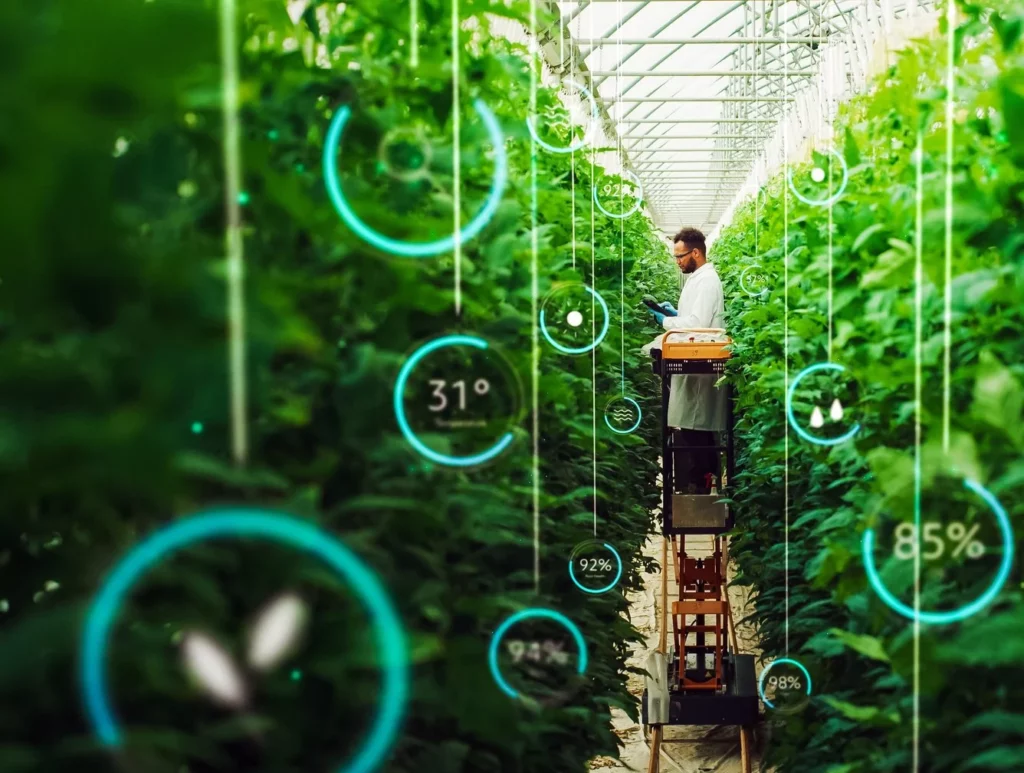
Internet of Things (IoT) devices can automatically collect and record valuable supply chain data, including:
- Temperature measurements
- Humidity levels
- Storage conditions
- Transportation status
- Delivery confirmations
When integrated with blockchain, these technologies create highly automated food safety systems.
For example:
- Refrigerated trucks can continuously monitor storage temperatures.
- Temperature deviations are automatically recorded.
- Supply chain stakeholders receive instant notifications.
- Product integrity can be evaluated immediately.
Automation significantly improves both transparency and reliability.
Benefits for Food Manufacturers
Blockchain-powered food traceability offers numerous business advantages.
Improved Food Safety
- Faster contamination investigations
- Enhanced product monitoring
- Better regulatory compliance
Lower Operational Costs
- Reduced recall expenses
- Improved supply chain efficiency
- Lower administrative burdens
Increased Consumer Confidence
- Greater transparency
- Stronger brand reputation
- Enhanced customer loyalty
Sustainability Improvements
- Reduced food waste
- Better inventory management
- More responsible supply chain practices
Food safety and business performance no longer need to compete—they can improve together.
Challenges to Adoption
Despite its enormous potential, blockchain implementation requires addressing several challenges:
- Industry-wide collaboration
- Data standardization
- Technology integration
- Infrastructure investments
- Regulatory alignment
Successful adoption depends upon cooperation among farmers, manufacturers, logistics providers, retailers, and regulators.
Fortunately, the food industry’s growing focus on transparency and sustainability is accelerating blockchain adoption across global markets.
The Future of Food Trust
The food industry is entering a new era where transparency is becoming a competitive necessity rather than a marketing advantage.
In the coming years, consumers may reasonably expect to know:
- Where their food originated
- How it was produced
- How it was transported
- Whether sustainability claims are accurate
- Whether products have been safely handled throughout their journey
Blockchain technology makes this level of visibility possible.
Food products will increasingly carry digital identities that remain accessible throughout their lifecycle.
Conclusion
Food safety depends upon speed, transparency, and trust. Traditional supply chain systems are often unable to deliver the level of traceability required in today’s global food industry.
Blockchain technology is transforming food supply chains by creating immutable records that enable contamination sources to be identified in seconds rather than weeks. This unprecedented level of visibility improves consumer safety, reduces operational costs, minimizes food waste, and strengthens trust between businesses and consumers.
The future of food is not only smarter—it is more transparent, more accountable, and significantly safer.
As blockchain adoption continues to expand across the food industry, one thing is becoming increasingly clear: protecting consumers begins with knowing exactly where every product has been, every step of the way.