13 May

The global logistics industry is the backbone of international trade, moving trillions of dollars’ worth of goods across borders every year. Yet despite its technological advancements in transportation and warehouse automation, many logistics operations remain burdened by outdated administrative processes, fragmented data systems, and costly inefficiencies.
From shipment documentation and customs procedures to invoice reconciliation and inventory management, logistics companies spend enormous amounts of time and resources managing information rather than moving goods. Manual paperwork, duplicated records, and communication gaps between supply chain participants continue to increase operational expenses while slowing business processes.
As supply chains become more complex and customer expectations continue to rise, reducing operational costs has become a strategic priority for logistics providers worldwide.
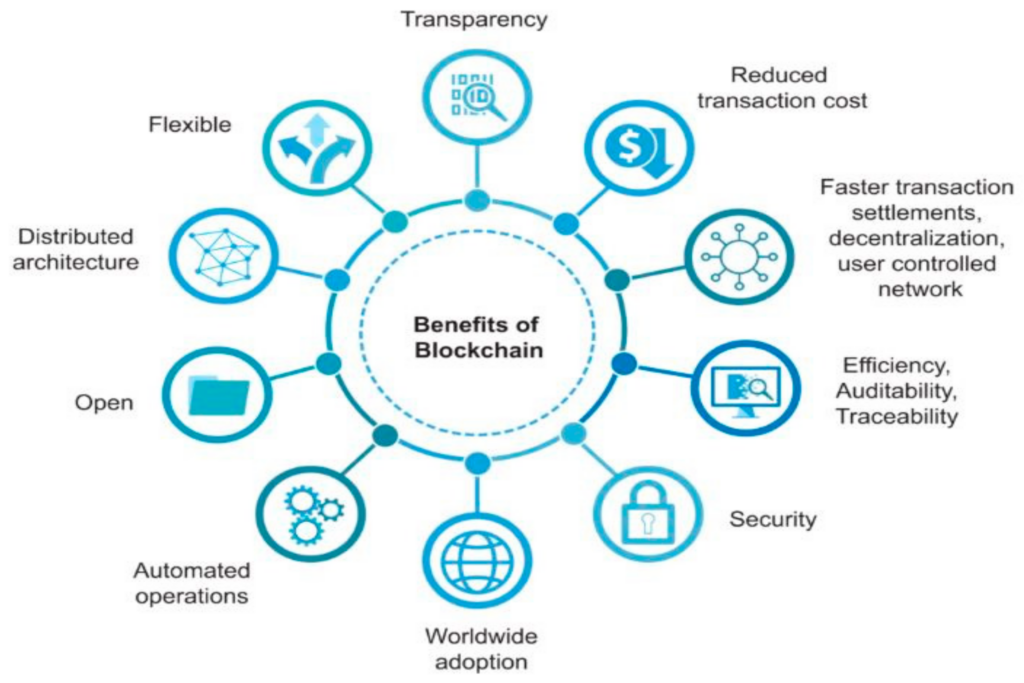
Blockchain technology is emerging as one of the most promising solutions for improving supply chain efficiency. By creating transparent, secure, and automated digital ecosystems, blockchain has the potential to significantly reduce administrative overhead, eliminate documentation errors, and accelerate workflows across logistics networks.
Industry experts increasingly recognize that blockchain-driven digital transformation can substantially lower operational costs while improving transparency, compliance, and customer satisfaction. For many logistics companies, the benefits extend far beyond cost reduction—they represent a fundamental shift in how supply chains operate.
Why Logistics Remains Inefficient
Despite massive investments in transportation infrastructure, logistics operations continue to face several longstanding challenges.
Common inefficiencies include:
- Manual documentation processes
- Duplicate data entry
- Invoice discrepancies
- Payment delays
- Shipment tracking limitations
- Customs clearance bottlenecks
- Fragmented information systems
Each supply chain participant often maintains separate databases and documentation procedures, resulting in:
- Communication delays
- Increased administrative costs
- Human error
- Limited visibility across the supply chain
The cumulative impact of these inefficiencies can be substantial, particularly for companies managing thousands of shipments every day.

The Hidden Costs of Paper-Based Operations
Paper documentation remains deeply embedded within international logistics.
Typical documents include:
- Bills of lading
- Commercial invoices
- Customs declarations
- Delivery receipts
- Warehouse records
- Insurance certificates
- Compliance reports
Managing these documents requires significant operational resources.
Traditional paper-based systems introduce challenges such as:
- Processing delays
- Lost documentation
- Manual verification procedures
- Increased labor requirements
- Higher compliance costs
Even minor documentation errors can delay shipments and generate costly administrative disputes.
Blockchain offers an opportunity to replace fragmented paperwork with secure and shared digital records.
Blockchain Creates a Single Source of Truth
One of blockchain’s greatest advantages is its ability to establish a single, immutable source of truth across multiple organizations.
Instead of maintaining separate databases, supply chain participants can securely share verified information in real time.
Blockchain records may include:
- Shipment status
- Delivery confirmations
- Inventory movements
- Customs approvals
- Payment information
- Compliance documentation
Because all authorized participants access identical records, businesses can dramatically reduce the need for:
- Manual reconciliations
- Duplicate data entry
- Cross-organizational audits
Greater transparency directly contributes to lower operational costs.
Eliminating Documentation Errors
Human error remains one of the most expensive problems in logistics operations.
Common documentation issues include:
- Incorrect shipment details
- Duplicate invoices
- Incomplete customs forms
- Data inconsistencies
- Manual input mistakes
These errors often result in:
- Shipment delays
- Financial penalties
- Increased labor costs
- Customer dissatisfaction
Blockchain minimizes these risks by ensuring that information is:
- Recorded accurately
- Shared automatically
- Updated in real time
- Immutable once verified
Automation significantly reduces the likelihood of costly administrative mistakes.
Accelerating Document Processing
Traditional logistics documentation frequently requires multiple approvals and manual reviews.
For example, processing international shipments may involve:
- Preparing documentation.
- Verifying shipment details.
- Coordinating customs declarations.
- Confirming delivery.
- Approving invoices.
- Processing payments.
Blockchain streamlines these procedures by enabling:
- Instant data sharing
- Automated verification processes
- Real-time updates
- Digital audit trails
The result is faster transaction processing throughout the supply chain.
Improving Shipment Visibility
Limited visibility is another major contributor to operational inefficiencies.
Without real-time information, logistics companies may struggle with:
- Inventory management
- Delivery forecasting
- Exception handling
- Customer communication
Blockchain-enabled supply chains provide greater transparency regarding:
- Product location
- Shipment status
- Delivery milestones
- Storage conditions
- Transportation history
Improved visibility allows businesses to make faster and better-informed operational decisions.
Smart Contracts Reduce Administrative Work
Smart contracts further enhance blockchain’s cost-saving capabilities.
These self-executing agreements automatically perform contractual obligations once predefined conditions are met.
Examples include:
- Automatic payment releases after delivery confirmation.
- Customs clearance notifications.
- Warehouse inventory updates.
- Freight settlement procedures.
Smart contracts eliminate numerous manual administrative tasks traditionally performed by:
- Finance departments
- Operations teams
- Customs brokers
- Logistics coordinators
Automation reduces both labor costs and processing times.
Streamlining Customs Procedures
Cross-border logistics often involve complex customs requirements that can delay shipments and increase operational expenses.
Blockchain can simplify customs operations by providing:
- Digitally verified shipment records
- Shared documentation systems
- Real-time compliance information
- Immutable audit trails
Customs authorities may access verified data immediately without requiring extensive document exchanges.
This leads to:
- Faster customs processing
- Lower compliance costs
- Reduced administrative burdens
- Improved shipment predictability
Global trade becomes significantly more efficient when information flows seamlessly across jurisdictions.
Enhancing Supply Chain Collaboration
Modern logistics networks rely on collaboration among numerous stakeholders.
Blockchain improves cooperation by enabling participants to securely share information without sacrificing confidentiality.
Stakeholders may include:
- Manufacturers
- Logistics providers
- Warehouses
- Customs authorities
- Retailers
- Financial institutions
By reducing information silos, businesses benefit from:
- Faster decision-making
- Improved operational coordination
- Greater supply chain resilience
Collaboration becomes both more efficient and more secure.
Lowering Fraud-Related Costs
Supply chain fraud continues to generate significant financial losses throughout the logistics industry.
Common issues include:
- Documentation fraud
- Shipment manipulation
- Invoice fraud
- Counterfeit products
Blockchain’s immutable architecture substantially improves supply chain security by ensuring that:
- Records cannot be easily altered.
- Transactions are fully traceable.
- Verification processes are transparent.
Reducing fraud-related risks directly contributes to lower operational expenses and improved customer trust.
Sustainability and Cost Efficiency
Operational efficiency and sustainability increasingly go hand in hand.
Blockchain can support sustainability initiatives by:
- Reducing paper consumption
- Improving transportation planning
- Minimizing waste
- Enhancing inventory management
More efficient supply chains consume fewer resources while delivering better outcomes for businesses and consumers alike.
Digital transformation is becoming an essential component of modern ESG strategies.
Real-World Cost Savings
While actual savings vary depending on operational complexity and implementation strategies, blockchain adoption can deliver measurable improvements across multiple areas, including:
- Administrative efficiency
- Document processing times
- Compliance management
- Payment automation
- Inventory visibility
- Fraud prevention
- Supply chain coordination
Cost reductions are often cumulative. Improvements across numerous operational processes can generate significant financial benefits over time.
For large logistics organizations managing global operations, even modest efficiency gains may translate into substantial annual savings.
Challenges to Implementation
Despite its significant potential, blockchain adoption requires careful planning.
Organizations must address:
- Technology integration
- Industry standards
- Regulatory requirements
- Infrastructure investments
- Workforce training
- Partner collaboration
Blockchain delivers the greatest value when multiple supply chain participants adopt compatible digital systems.
Successful implementation depends on both technological capabilities and organizational readiness.
The Future of Cost-Efficient Logistics
The logistics industry is steadily moving toward highly automated and interconnected supply chain ecosystems.
Future logistics networks are likely to feature:
- Fully digitized documentation
- Automated payments
- Real-time shipment visibility
- Smart contract execution
- Improved regulatory compliance
- Enhanced supply chain transparency
Businesses that embrace blockchain technologies today are positioning themselves for a future defined by efficiency, agility, and reduced operational complexity.
The question is no longer whether logistics will become more digital—but how quickly organizations can adapt.
Conclusion
Blockchain technology has the potential to fundamentally transform logistics operations by reducing administrative burdens, eliminating documentation errors, improving transparency, and automating critical business processes.
By replacing fragmented and paper-based systems with secure digital infrastructures, logistics companies can significantly improve efficiency while reducing operational costs across their supply chains.
The combination of blockchain, smart contracts, and real-time data sharing is creating smarter and more resilient logistics ecosystems capable of meeting the demands of modern global commerce.
In an increasingly competitive market, operational efficiency is more than a financial objective—it is a strategic advantage. Blockchain is proving that reducing costs and improving performance no longer need to be competing priorities. Instead, they are becoming two sides of the same digital transformation journey.