01 Jun
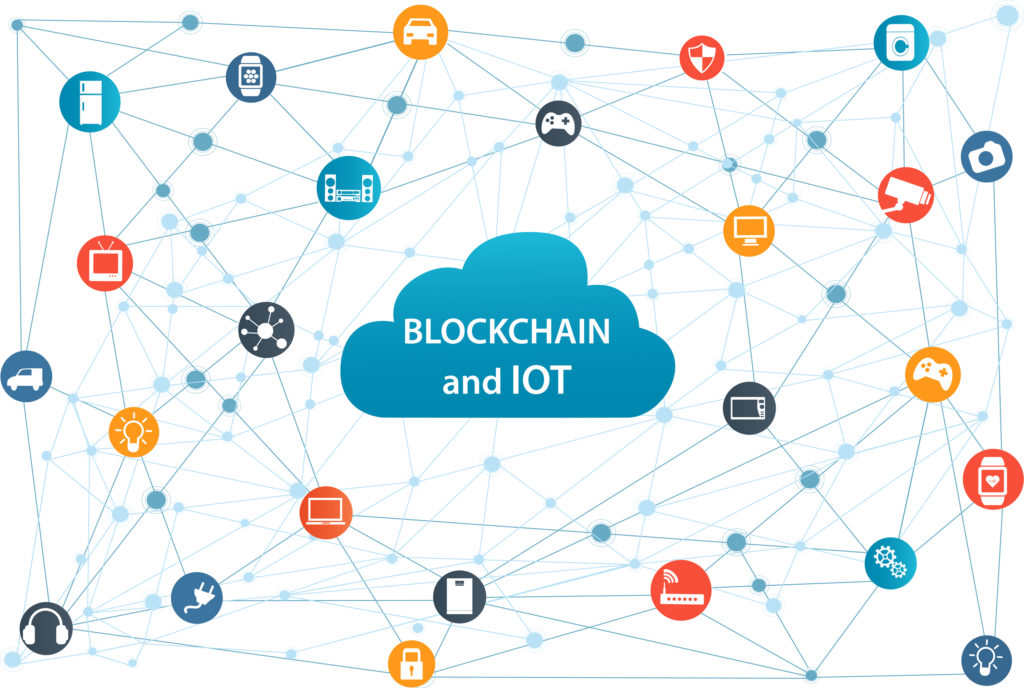
The digital transformation of global industries has entered a new phase—one in which machines are no longer passive tools but active participants in business operations. Connected devices are generating unprecedented amounts of data, enabling organizations to monitor supply chains, automate workflows, and optimize operational efficiency in real time.
The Internet of Things (IoT) has already revolutionized industries ranging from logistics and manufacturing to healthcare and agriculture. Billions of connected sensors continuously collect information about location, temperature, humidity, energy consumption, and equipment performance. Yet while IoT devices are highly effective at gathering data, they often rely on centralized systems that can introduce vulnerabilities related to security, trust, and transparency.
Blockchain technology offers a compelling solution to these challenges. By combining IoT with blockchain and smart contracts, businesses can create autonomous systems capable of executing contractual obligations without human intervention.
Imagine a refrigerated truck transporting temperature-sensitive pharmaceuticals. Throughout the journey, IoT sensors monitor environmental conditions in real time. If the temperature exceeds the acceptable range, the blockchain records the violation instantly, and a smart contract automatically applies a financial penalty to the logistics provider according to predefined terms.
No manual reports. No disputes. No intermediaries.
The future of commerce may involve machines not only collecting information but also participating in contractual relationships on behalf of businesses.
Understanding the Internet of Things
The Internet of Things refers to networks of connected devices that collect and exchange data through digital systems.
Examples of IoT devices include:
- Temperature sensors
- GPS trackers
- Smart meters
- Industrial equipment monitors
- Warehouse automation systems
- Environmental sensors
- Connected vehicles
These technologies enable organizations to gain valuable operational insights while improving efficiency and responsiveness.
IoT applications continue to expand across industries such as:
- Logistics
- Manufacturing
- Agriculture
- Healthcare
- Energy
- Retail
The growing adoption of connected devices is transforming how businesses manage physical assets and supply chain operations.
The Limitations of Traditional IoT Systems
Despite their advantages, conventional IoT infrastructures face several important challenges.
These include:
- Centralized data storage
- Limited interoperability
- Security vulnerabilities
- Data integrity concerns
- Lack of transparent audit trails
Organizations must trust that collected data has not been manipulated or compromised during transmission and storage.
In supply chain environments involving multiple stakeholders, establishing trust can become particularly difficult.
Blockchain addresses many of these limitations by introducing decentralized and immutable recordkeeping.
Why Blockchain Complements IoT
Blockchain and IoT are highly complementary technologies.
IoT devices excel at:
- Collecting data
- Monitoring physical environments
- Providing real-time operational information
Blockchain excels at:
- Securing data
- Verifying transactions
- Maintaining immutable records
- Executing automated agreements
Together, they create intelligent systems capable of:
- Autonomous decision-making
- Automated compliance monitoring
- Real-time contractual enforcement
- Enhanced supply chain transparency
The integration of these technologies enables businesses to automate processes that previously required extensive human oversight.
Smart Contracts Enable Machine-to-Business Transactions
Smart contracts are self-executing digital agreements that automatically perform predefined actions when specific conditions are met.
When combined with IoT technologies, smart contracts can respond directly to real-world events recorded by connected devices.
Examples include:
- Temperature compliance monitoring
- Shipment delivery confirmations
- Equipment maintenance schedules
- Inventory replenishment procedures
- Insurance claims processing
IoT devices become trusted sources of information capable of triggering contractual actions automatically.
This introduces an entirely new model of operational automation.
Refrigerated Logistics: A Real-World Example
Temperature-sensitive products represent one of the most practical applications of IoT and blockchain integration.
Industries that depend upon refrigerated transportation include:
- Pharmaceuticals
- Food production
- Biotechnology
- Healthcare logistics
Consider a refrigerated shipment containing vaccines.
IoT sensors continuously monitor:
- Temperature
- Humidity
- Location
- Transit duration
A smart contract may specify:
If storage temperatures remain within approved ranges throughout transportation, release payment in full.
Alternatively:
If temperatures exceed regulatory limits for more than five minutes, automatically apply contractual penalties.
Because sensor data is recorded on blockchain infrastructure, all parties can independently verify compliance.
Disputes become significantly easier to resolve.
Autonomous Supply Chain Management
The integration of IoT and blockchain enables highly automated supply chains.
Connected devices can autonomously:
- Record shipment milestones.
- Verify storage conditions.
- Confirm inventory movements.
- Trigger payment releases.
- Initiate compliance procedures.
Human involvement increasingly shifts from routine administrative tasks toward strategic decision-making and exception management.
Supply chains become more intelligent, transparent, and efficient.
Improving Trust Through Immutable Data
Business relationships often depend upon trusted information.
Traditional reporting systems may suffer from:
- Human error
- Delayed communication
- Data manipulation risks
- Limited transparency
Blockchain significantly improves trust by ensuring that IoT-generated data remains:
- Immutable
- Time-stamped
- Verifiable
- Secure
Supply chain participants gain confidence that contractual decisions are based upon accurate and objective information.
Transparency strengthens collaboration across organizational boundaries.
Machine-to-Machine Commerce
One of the most exciting possibilities created by IoT and blockchain is machine-to-machine economic activity.
Future autonomous systems may enable connected devices to:
- Purchase services.
- Negotiate resource allocation.
- Execute payments.
- Schedule maintenance.
- Manage inventory autonomously.
For example:
- A manufacturing machine detects component wear.
- It automatically orders replacement parts.
- Payment is authorized through a smart contract.
- Delivery logistics are scheduled autonomously.
Machines become active participants within digital economic ecosystems.
Reducing Operational Costs
Automation offers substantial financial benefits across industries.
IoT and blockchain integration can reduce costs associated with:
- Manual monitoring
- Contract administration
- Compliance reporting
- Dispute resolution
- Documentation management
- Operational inefficiencies
Businesses benefit from:
- Faster workflows
- Improved resource allocation
- Lower administrative expenses
- Increased operational reliability
Cost reduction is often accompanied by improved service quality and greater scalability.
Enhancing Regulatory Compliance
Many industries operate under strict regulatory requirements.
Blockchain-enabled IoT systems provide immutable records that simplify:
- Regulatory audits
- Compliance reporting
- Product traceability
- Environmental monitoring
- Quality assurance procedures
Organizations gain access to highly reliable operational data that supports both internal governance and external compliance obligations.
Automation significantly improves reporting accuracy while reducing administrative burdens.
Applications Beyond Logistics
The combination of IoT and blockchain extends far beyond supply chain management.
Potential applications include:
Smart Manufacturing
- Automated maintenance contracts.
- Machine performance monitoring.
Energy Markets
- Autonomous electricity trading.
- Smart grid management.
Healthcare
- Medical device monitoring.
- Pharmaceutical supply chain tracking.
Agriculture
- Environmental condition monitoring.
- Automated crop management systems.
Insurance
- Event-driven claims processing.
- Risk assessment automation.
Virtually every industry that depends upon trusted operational data can benefit from this technological convergence.
Challenges to Adoption
Despite its enormous potential, several challenges remain.
Organizations must address:
- Device security
- Data standardization
- Scalability requirements
- Regulatory frameworks
- Infrastructure integration
- Industry collaboration
IoT ecosystems generate massive volumes of data, requiring efficient blockchain architectures capable of supporting enterprise-scale operations.
Successful implementation depends upon thoughtful system design and industry-wide cooperation.
The Future of Autonomous Commerce
Over the next decade, businesses are likely to witness the emergence of increasingly autonomous economic systems.
Future supply chains may operate through networks of intelligent devices that:
- Monitor themselves.
- Verify compliance automatically.
- Execute contracts independently.
- Coordinate payments in real time.
- Manage resources autonomously.
The concept of machines participating in commercial relationships is rapidly moving from theory to reality.
Blockchain provides the trust layer necessary for these autonomous interactions to occur securely and transparently.
Conclusion
The convergence of IoT, blockchain, and smart contracts is fundamentally changing how businesses manage operations and execute contractual obligations. Connected devices are evolving from simple data collectors into intelligent participants within decentralized digital ecosystems.
By enabling machines to trigger payments, enforce contractual terms, and verify compliance autonomously, organizations can dramatically improve efficiency, transparency, and operational resilience.
Whether monitoring refrigerated shipments, managing industrial equipment, or facilitating machine-to-machine commerce, IoT and blockchain are creating a future where business processes become increasingly automated and trustworthy.
Machines may not negotiate boardroom deals anytime soon, but they are already learning how to honor contracts—and that capability is poised to transform industries around the world.